A series of broken records
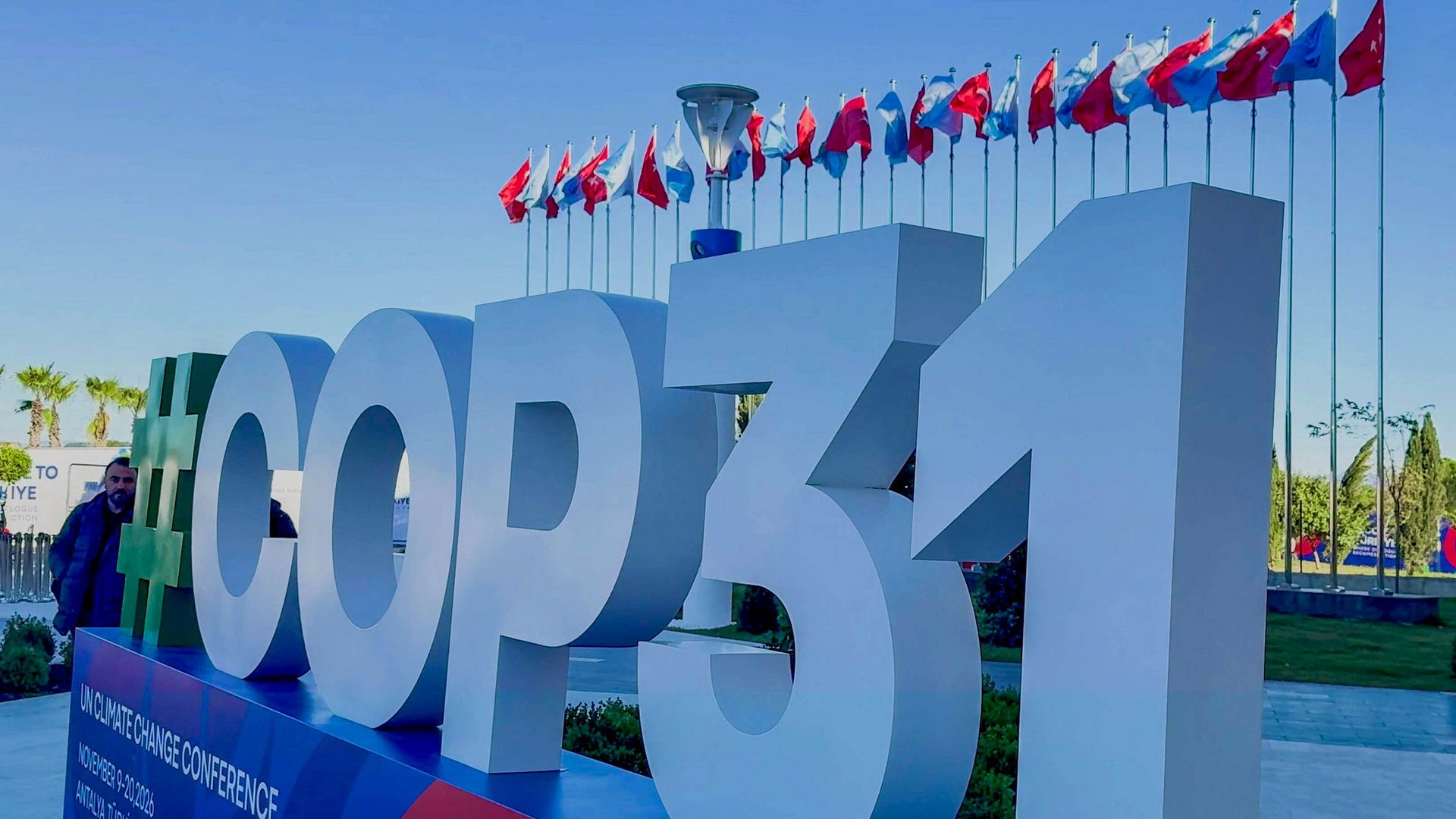
As COP31 opened in Antalya, Celeste Saulo, Secretary-General of the World Meteorological Organization (WMO), delivered a message that carried weight. The world should prepare for 2027 to be the hottest year ever recorded, with the natural El Niño cycle piling on top of human-made warming. The past twelve years were the warmest on record, and the last four, including 2026, were the four warmest of all[1]. The Climate Change Performance Index 2027, published to coincide with the conference, delivers a familiar verdict: no country is doing enough to meet the Paris Agreement[2]. The figures underline both the scale of the climate challenge and the gap between required action and progress. For Ann-Sophie Abel, Global Head of Sustainability at Dorsch Global, they raise a practical question: how can infrastructure planning and delivery help cut emissions while making societies more resilient to climate impacts?
The science is clear, the targets are agreed, but progress remains slow. Climate change is often debated as an environmental topic. But it is also lived as an infrastructure one - in power grids, water networks, buildings and transport systems. That is where emissions are locked in for decades by decisions taken once. And it is where the transformation will either be delivered or quietly deferred.